Welcome to the songwriting 101, how tough are ya?
No matter how simple or complex a song may be structured, it takes a lot of work and effort in order to have the "oomph" to capture your audiences attention. Like all kinds of artists looking for inspiration, songwriters suffer blocks that hold them back from creating new and more importantly, interesting work. I've developed a series of questions to ask yourself when wanting to write a song in order to help someone get started, based on attributes of other contemporary songwriters' songs.
Question #1: What do I want to talk about, or what am I trying to say?
This is the first, and arguably most important part of the song writing process. If you have lyrics in your song, you need something to say. However, songwriters have figured out hundreds of different methods you can utilize to make a set of engaging lyrics for your own piece.
First you'll need to decide what perspective you're writing from. Are you writing something about yourself, or in the first person? This may be the most common form of songwriting, as it's the most personal and therefor draws the easiest inspiration. Almost anytime you look at the #1 spot on the billboard top 100, it will be a song written in the first person perspective.
This song is wonderful too.
But there are, like I said hundreds of ways to write lyrics, and some of the best have been written in third person, a story teller like song. I touched yesterday on the era of singer-songwriter musician and the story teller music they are known for, some of them being the most respected songwriters of their era. This type of songwriting also extends into decades beyond with acts that write/wrote observational pop.
Blur's early work is frequently described as observational based Britpop.
Question #2: What instrumentation am I working with?
Knowing how to flesh out your song is critical to the songs' success. While most songs are written on an acoustic guitar or piano, most don't stay that way. But wait, many songs are just those instruments and a voice alone, so what's wrong with that?
A "White Guy With Acoustic Guitar" song done right. Short. Sweet. Powerful.
Theoretically, nothing is wrong with that kind of songwriting, BUT, if a song is barebones it has got to make itself sound unique from the millions of other songs like that. It's much more impressive to the general public if you can compose a piece that has a lot of sounds going into it without sounding muddy or overproduced. A great composer can turn a simple 4 chord song into a lush and exciting environment.
Sufjan Stevens is a singer-songwriter from Michigan, known for his lush compositions in his songs.
This kind of thinking can be easily applied to not only organic instruments, but also synthesizers, loops and samples. Some of the most well composed modern pop songs from from Hip Hop, R&B, Electronica, and Pop.
This piece by Kanye West mixes organic instruments, synthesizers, loops, beats, and an orchestrated variety of pop and hip hop vocalists.
Question #3: How should I structure my song?
Something important that many songwriters seem to forget is that there are no set rules on where to have the verse, the chorus, the bridge, or that you don't even need any of these things. Some bands place their main hooks in their verses rather than their chorus.
In this song, Oasis places two verses, causing a larger buildup to the chorus.
Question #4: Are my ideas cliche?
Probably the trickiest thing to figure out is if your chord progressions, key changes, guitar solos, or melodies themselves are too overdone. There are a few steps a songwriter can take to avoid sounding different from the same saturation many songs go through during the recording process.
- Avoid heavy use of audio processing effects like reverb, delay, or dynamic range compression
- Heavy multi tracking during the chorus (like adding synthstrings)
- Throwing a keychange one or two half steps up during the last chorus
- Loud drums in the mix for radio play purposes
- Heavy use of time signature correction, pitch correction, or quantization
- Letting a producer impose a certain style they use on your recordings. Fight for your sound.
While all of the above can be used tastefully, the most important thing is that you do not use these things to hide your lack of talent.
Question #5: Am I proud of what I've made?
You should look at the work you've put into a song and be completely satisfied. I'm not saying to throw out a song if you don't think it's your best work, only toss it if you feel like you did not put your all into that specific song and made it the best you could have made it. Better yet, try to find the problems, and fix them. You have your whole life to write music, don't release something for the sake of releasing something.
But what do you think it takes to write a song? Let me know by shooting me an email or a message on Facebook or Twitter!
- Miles Taylor Winchester, The Citrus Sawtooth

Wednesday, April 16, 2014

Tuesday, April 15, 2014
Define And Redefine: Music (What Is Music, Anyway?)
What am I getting out of what I am hearing?
A lot of words are thrown around when defining what music is. This question specifically is one that many people seem to have a lot to say about, yet doesn't give us much of a true explanation as to...well what it is. Simply typing in the phrase "What Is Music" into Google.com will give you about 8.5 BILLION results, all with different theories, explanations, analysis, and opinions on the matter, (hell, there may be a few porn links thrown in there too. It IS Google after all).
Well first let us look at where the english word "Music" comes from.
The term"Muse" was the name for the Greek Goddess of the inspiration of literature, science, and the arts. Mousa is a common noun in Greek meaning, "Art" or "Poetry".
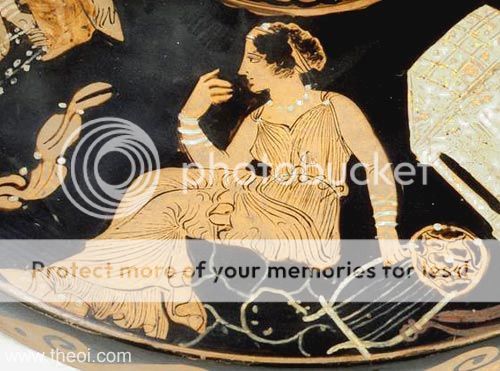
This gives us the first elements in what is now known as music: Art, Literature/Poetry, and Science. We can assess modern music using these three elements and understand it pretty thoroughly with these ancient understandings of what Muse was made of.
Art
Art is the most commonly associated format music is presented in, in contemporary times. Naturally, songs are composed as a form of expression, a more physical way to recite and preform our own emotions. Like visual art, music derives from some form of inspiration, and as a result it can give off inspiration to others. Music often accompanies other forms of art to further enhance what a viewer/listener receives from the piece. Dance, Film, Still images, and Street performances are just some of the few forms that music often enhances with its presence.
The inspiration and kind of art that music creates varies from a street performer strumming an acoustic guitar to a small venue where the audiences flails and dances to the sound of blaring punk guitars, to a small gazebo where a piano is manipulated when someone is peacefully alone, to a blaring horn arrangement in a modern blockbuster movie soundtrack, to a super star pop princess singing to thousands of adoring fans. It's safe to say music is an inspiring art form that hits all of us.
Here is a great example of music having a moving effect on a crowd.
Literature
Back in the older days of music, essentially two forms truly existed. The common man folk music and the elaborate operas of what is now considered "classical music". Both forms inherited words to match the moods set by the music from their composers, and we call these "lyrics". Contemporary music typically follows the examples set in folk tunes, specifically those from ragtime and blues music. While the general public may define music as not a form of literature (and with possible good reason) it is hard strung not to find someone who has not been moved by the words in a song.
A classic tune, following a progression that is found in many songs made today.
In the modern music industry, many musicians and musical performers have people specifically write them words for the songs they recite. Some musicians even write their own words to their music, commonly referred to as "singer songwriters" and those people are some of the most admired in the industry. One of the many standards The Beatles brought to the table was for the musician/band to write their own words to their music, a standard that is upheld to this day by many acts across many genres. Some of the most admired singer songwriters came from the wake of The Beatles and that kind of musicianship had a bit of a renaissance in the 1970s with acts such as Simon & Garfunkel, Neil Young, Tom Waits, Lenard Cohen, and Nick Drake.
A very underrated artist who passed away far too young in 1974
It is obvious music is used as a voice not only for the singer, but for the speaker as well. In the late 70s, the oppressed african youth were heavily involved in the slam poetry scene which migrated into musical territory when they began being recorded with musical backdrop. This evolved into one of the most lyrical based forms of music, Rap. Rapping is commonly used over Hip Hop beats (a genre inspired by a fusion of Soul, Funk, Disco, House, Electronica, Rock, Blues, and even Jazz), and has become arguably the most successful way for poetic reciting to be successful in todays society.
Kanye West is one of the most critically acclaimed rap artists in history. Is that John Legend on piano in the back!?
Science
Science is the root of everything in the known universe. Sound is nothing but waves that are picked up by your ears, correct? Music comes in when sound is purposefully arranged to stimulate the senses.
Virtuosos of a particular instrument may preform maintenance on their said instrument, maintenance that seems so petty it may seem confusing as to why they waist their time doing it. A guitarist may polish their strings or a brass player may keep their instrument's case insulated so it doesn't become too cold...but why?
It is simply a matter of how the physics of the instrument works. Everything from temperature to cleanliness of the instrument can affect its tone, and if not maintained correctly this can have detrimental results to what the performer is trying to express. There's science behind every note played, and every wave of sound you pick up, thank the audio engineers that produce and mix your favorite album for having it sound as good as it does.
Music can be neatly defined with what the goddess Muse represented to me, covering three points that I personally find critical to what makes music, music. I'd love your feedback and comment on what you think music is to you! Leave me an email to the right or send me tweets and facebook comments.
A lot of words are thrown around when defining what music is. This question specifically is one that many people seem to have a lot to say about, yet doesn't give us much of a true explanation as to...well what it is. Simply typing in the phrase "What Is Music" into Google.com will give you about 8.5 BILLION results, all with different theories, explanations, analysis, and opinions on the matter, (hell, there may be a few porn links thrown in there too. It IS Google after all).
Well first let us look at where the english word "Music" comes from.
The term"Muse" was the name for the Greek Goddess of the inspiration of literature, science, and the arts. Mousa is a common noun in Greek meaning, "Art" or "Poetry".

This gives us the first elements in what is now known as music: Art, Literature/Poetry, and Science. We can assess modern music using these three elements and understand it pretty thoroughly with these ancient understandings of what Muse was made of.
Art
Art is the most commonly associated format music is presented in, in contemporary times. Naturally, songs are composed as a form of expression, a more physical way to recite and preform our own emotions. Like visual art, music derives from some form of inspiration, and as a result it can give off inspiration to others. Music often accompanies other forms of art to further enhance what a viewer/listener receives from the piece. Dance, Film, Still images, and Street performances are just some of the few forms that music often enhances with its presence.
The inspiration and kind of art that music creates varies from a street performer strumming an acoustic guitar to a small venue where the audiences flails and dances to the sound of blaring punk guitars, to a small gazebo where a piano is manipulated when someone is peacefully alone, to a blaring horn arrangement in a modern blockbuster movie soundtrack, to a super star pop princess singing to thousands of adoring fans. It's safe to say music is an inspiring art form that hits all of us.
Here is a great example of music having a moving effect on a crowd.
Literature
Back in the older days of music, essentially two forms truly existed. The common man folk music and the elaborate operas of what is now considered "classical music". Both forms inherited words to match the moods set by the music from their composers, and we call these "lyrics". Contemporary music typically follows the examples set in folk tunes, specifically those from ragtime and blues music. While the general public may define music as not a form of literature (and with possible good reason) it is hard strung not to find someone who has not been moved by the words in a song.
A classic tune, following a progression that is found in many songs made today.
In the modern music industry, many musicians and musical performers have people specifically write them words for the songs they recite. Some musicians even write their own words to their music, commonly referred to as "singer songwriters" and those people are some of the most admired in the industry. One of the many standards The Beatles brought to the table was for the musician/band to write their own words to their music, a standard that is upheld to this day by many acts across many genres. Some of the most admired singer songwriters came from the wake of The Beatles and that kind of musicianship had a bit of a renaissance in the 1970s with acts such as Simon & Garfunkel, Neil Young, Tom Waits, Lenard Cohen, and Nick Drake.
A very underrated artist who passed away far too young in 1974
It is obvious music is used as a voice not only for the singer, but for the speaker as well. In the late 70s, the oppressed african youth were heavily involved in the slam poetry scene which migrated into musical territory when they began being recorded with musical backdrop. This evolved into one of the most lyrical based forms of music, Rap. Rapping is commonly used over Hip Hop beats (a genre inspired by a fusion of Soul, Funk, Disco, House, Electronica, Rock, Blues, and even Jazz), and has become arguably the most successful way for poetic reciting to be successful in todays society.
Kanye West is one of the most critically acclaimed rap artists in history. Is that John Legend on piano in the back!?
Science
Science is the root of everything in the known universe. Sound is nothing but waves that are picked up by your ears, correct? Music comes in when sound is purposefully arranged to stimulate the senses.
Virtuosos of a particular instrument may preform maintenance on their said instrument, maintenance that seems so petty it may seem confusing as to why they waist their time doing it. A guitarist may polish their strings or a brass player may keep their instrument's case insulated so it doesn't become too cold...but why?
It is simply a matter of how the physics of the instrument works. Everything from temperature to cleanliness of the instrument can affect its tone, and if not maintained correctly this can have detrimental results to what the performer is trying to express. There's science behind every note played, and every wave of sound you pick up, thank the audio engineers that produce and mix your favorite album for having it sound as good as it does.
Music can be neatly defined with what the goddess Muse represented to me, covering three points that I personally find critical to what makes music, music. I'd love your feedback and comment on what you think music is to you! Leave me an email to the right or send me tweets and facebook comments.
- Miles Taylor Winchester, The Citrus Sawtooth
Sunday, April 13, 2014
Introductions (Meet Miles Taylor Winchester)
I am not a spiritual man.
There does exist something seemingly mystifying about the emotional power of sound though...to me at least. There's a primordial urge to create, manipulate, and sponge in all the sound I can. I believe this urge exists a bit in all of us. Is it not rejuvenating listening to your favorite tune for the 300th time after years and years of memorizing the sound and lyrics of the song?
For me, this urge begins with one of my earliest and fondest memories as a child.
I remember being about 7 years old or so and riding in my parent's car with my cousin and my father, going on a trip up north when this song started playing on a mix CD we had had playing.
I can recall songs I enjoyed before I heard this song. Quite a lot I would hear on the radio and on CDs and tapes my parents listened to, and I enjoyed them...but they didn't have this kind of effect on me. What I fondly remember about this memory is how this song made me...feel. I remember thinking to myself, "how does a song make me feel?"
Still this was not enough for me to want to become any kind of music connoisseur, or any kind of rock star or even a musician. I had been nearly forced by my mother to take piano lessens from the time I was 7 and I found them as interesting as any typical school subject (ugh. Math. Kill me now). I took band and played the Trumpet in 6th grade if only because I didn't want to be picked on by the cool kids who took the gym classes. It wouldn't be until a very good friend of mine got me into a band that made me rethink and help discover who I am.
It was a very personal moment. I wanted to know everything about being in a band...about playing instruments...about all the genres and lives that have been melded by the art. As the years went on I tackled more instruments, I became heavily involved in all my school's different band programs and strived to be the best musician I could be. This feeling I have has taken many half hearted people down a road that can potentially ruin their young life, as Noel Gallagher from Oasis said, "Please don't put your life in the hands of a Rock n' Roll band, you'll throw it all away." Still, to this day I invest more time than I know I should into recording, practicing, jamming, and singing. This is what I feel I feel like I need to be involved with in my life. Like I said above, it's a primal feeling, a hunger like craving to make this kind of art with my life.
Music embodies the symbolic soul every living person has. The waves that accurately capture the emotion of the human condition. These are the waves that sailors chase at sea when looking for adventure, the waves that are captured from radioactive pulses trillions of miles away by astro physicists. This feeling I personally have for it stems from anyone's passion for anything, and I'm glad that mine happens to be getting involved with the world of music.
I suppose I'm making this blog to share what music has done for me, my opinions on the industry, the art, the culture, and whatever else music related comes to mind. I'd love feedback, comments, ideas! Leave me an email to the right or send me tweets and facebook comments with the links below.
- Miles Taylor Winchester, The Citrus Sawtooth
FACEBOOK
TWITTER
There does exist something seemingly mystifying about the emotional power of sound though...to me at least. There's a primordial urge to create, manipulate, and sponge in all the sound I can. I believe this urge exists a bit in all of us. Is it not rejuvenating listening to your favorite tune for the 300th time after years and years of memorizing the sound and lyrics of the song?
For me, this urge begins with one of my earliest and fondest memories as a child.
I remember being about 7 years old or so and riding in my parent's car with my cousin and my father, going on a trip up north when this song started playing on a mix CD we had had playing.
I can recall songs I enjoyed before I heard this song. Quite a lot I would hear on the radio and on CDs and tapes my parents listened to, and I enjoyed them...but they didn't have this kind of effect on me. What I fondly remember about this memory is how this song made me...feel. I remember thinking to myself, "how does a song make me feel?"
Still this was not enough for me to want to become any kind of music connoisseur, or any kind of rock star or even a musician. I had been nearly forced by my mother to take piano lessens from the time I was 7 and I found them as interesting as any typical school subject (ugh. Math. Kill me now). I took band and played the Trumpet in 6th grade if only because I didn't want to be picked on by the cool kids who took the gym classes. It wouldn't be until a very good friend of mine got me into a band that made me rethink and help discover who I am.
It was a very personal moment. I wanted to know everything about being in a band...about playing instruments...about all the genres and lives that have been melded by the art. As the years went on I tackled more instruments, I became heavily involved in all my school's different band programs and strived to be the best musician I could be. This feeling I have has taken many half hearted people down a road that can potentially ruin their young life, as Noel Gallagher from Oasis said, "Please don't put your life in the hands of a Rock n' Roll band, you'll throw it all away." Still, to this day I invest more time than I know I should into recording, practicing, jamming, and singing. This is what I feel I feel like I need to be involved with in my life. Like I said above, it's a primal feeling, a hunger like craving to make this kind of art with my life.
Music embodies the symbolic soul every living person has. The waves that accurately capture the emotion of the human condition. These are the waves that sailors chase at sea when looking for adventure, the waves that are captured from radioactive pulses trillions of miles away by astro physicists. This feeling I personally have for it stems from anyone's passion for anything, and I'm glad that mine happens to be getting involved with the world of music.
I suppose I'm making this blog to share what music has done for me, my opinions on the industry, the art, the culture, and whatever else music related comes to mind. I'd love feedback, comments, ideas! Leave me an email to the right or send me tweets and facebook comments with the links below.
- Miles Taylor Winchester, The Citrus Sawtooth
Subscribe to:
Comments (Atom)